

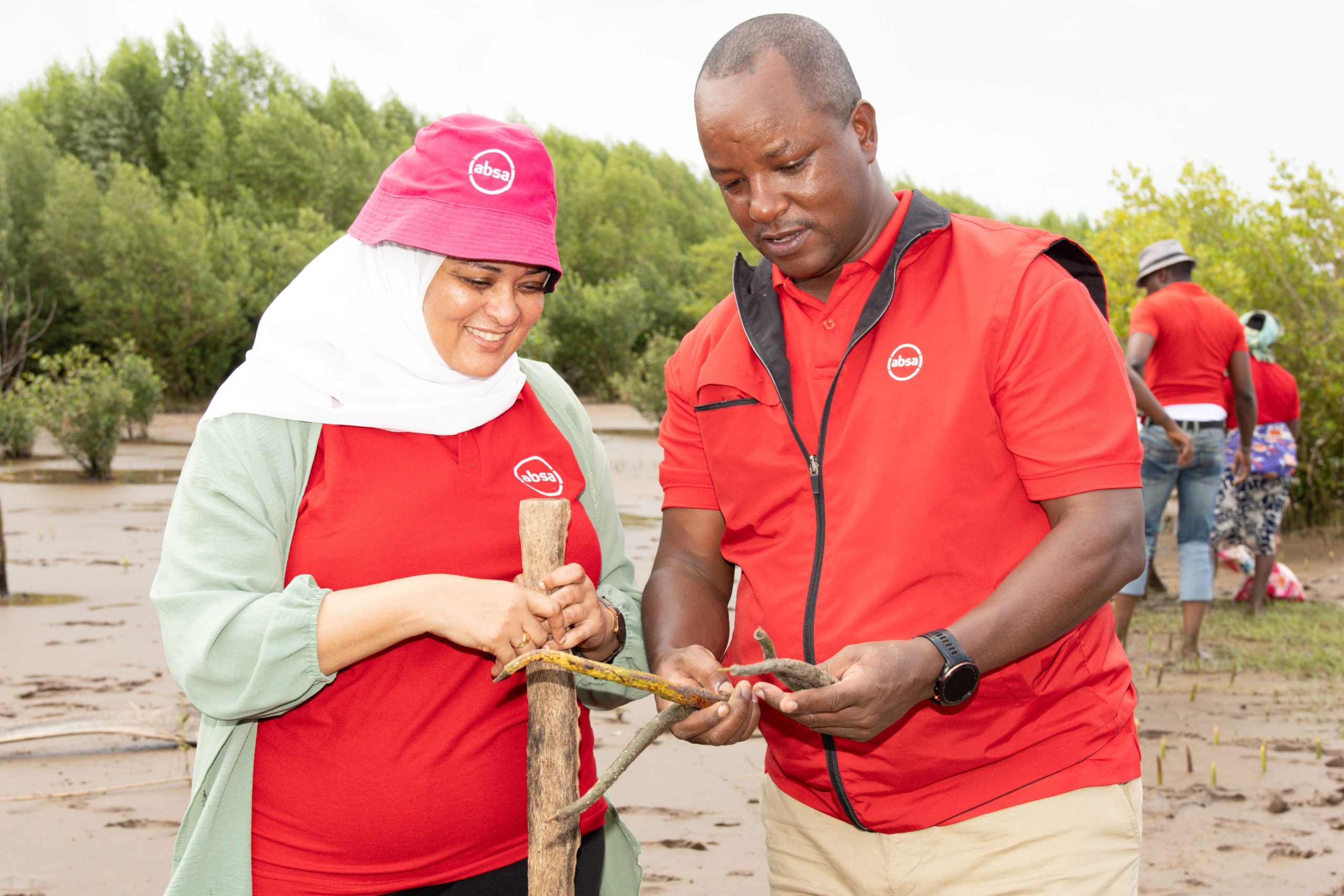
Absa Kenya Foundation has launched the second phase of its coastal restoration programme at the Sabaki Estuary in Malindi, where it plans to plant an additional 200,000 mangrove trees. This marks a significant expansion of the initiative that began in 2023, which saw 150,000 mangroves planted in the Jomvu Kuu and Majoreni Forests across Mombasa and Kwale counties.
The restoration effort is part of the Foundation’s broader Natural Resource Management initiative, which aims to plant and nurture 10 million trees by 2032. The programme focuses on rehabilitating fragile ecosystems including water towers, marine reserves, and coastal forests. It also contributes to Kenya’s national goal of planting 15 billion trees by the same year.
The first phase of the project, implemented over the past two years, demonstrated an 80% survival rate for mangroves when properly planted and maintained—a key validation of the programme’s potential impact.
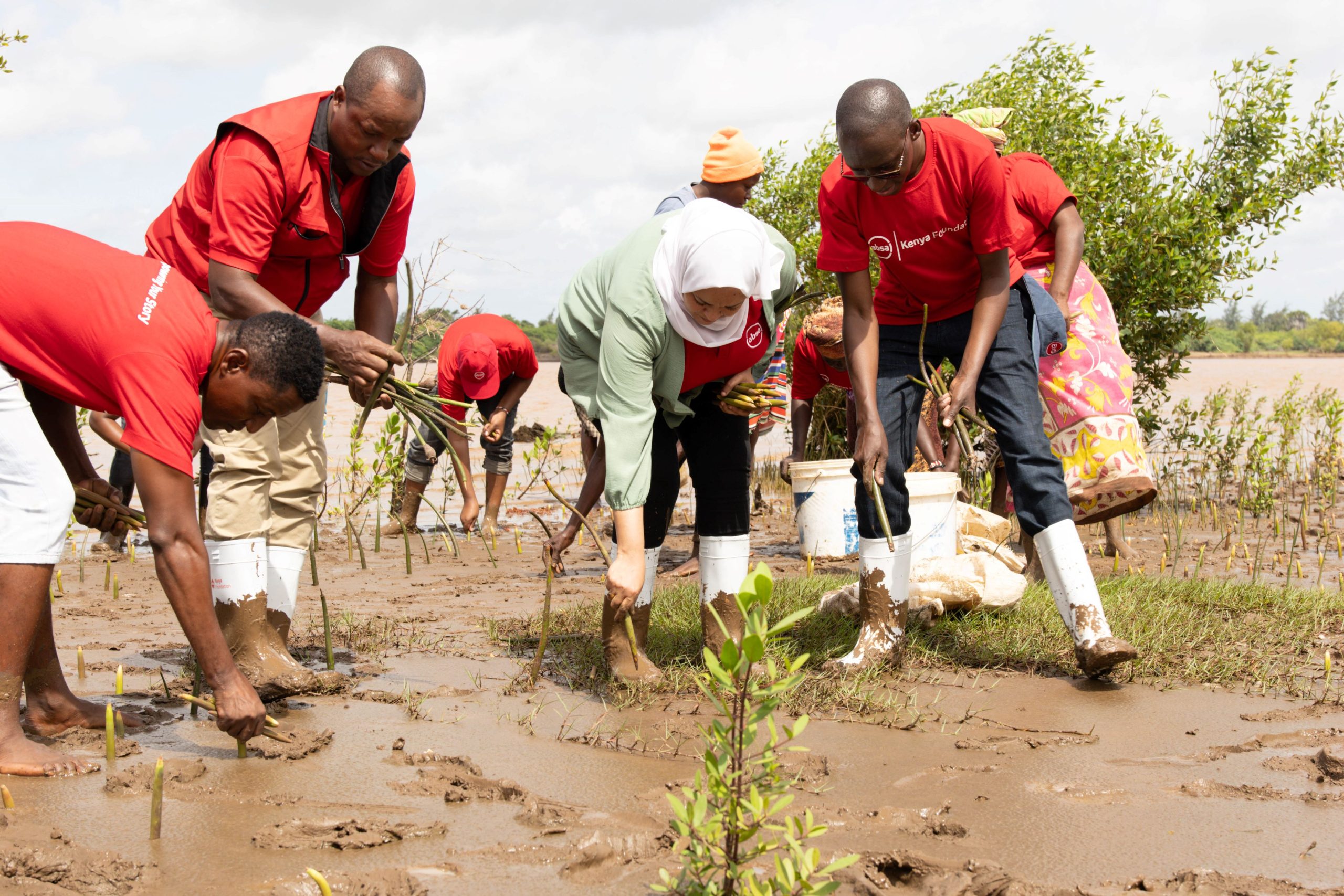
Speaking during the commissioning of the second phase, Absa Bank Kenya Chief Finance Officer Yusuf Omari reaffirmed the bank’s commitment to environmental sustainability.
“As an active force for good, we care about the communities around us and the environment in which we operate,”
said Omari.
“Mangroves play a critical role in maintaining biodiversity, mitigating climate change, and protecting coastal communities from natural disasters. This initiative will not only enhance our coastline’s natural beauty but also deliver vital ecological benefits such as erosion control, water purification, and biodiversity conservation.”
Often referred to as the “lungs of the coastlines,” mangrove forests are capable of absorbing up to 900 tonnes of carbon dioxide annually. In addition to their carbon-capturing capacity, mangroves also serve as natural buffers against storms and tsunamis by dissipating wave energy and shielding vulnerable coastal communities from severe damage.
Absa Bank Kenya has emphasized community participation in its environmental initiatives. Past partnerships include collaboration with grassroots groups like the Gazi Women Group in Kwale County to promote green employment through eco-tourism and small-scale aquaculture, supporting both conservation and sustainable livelihoods.
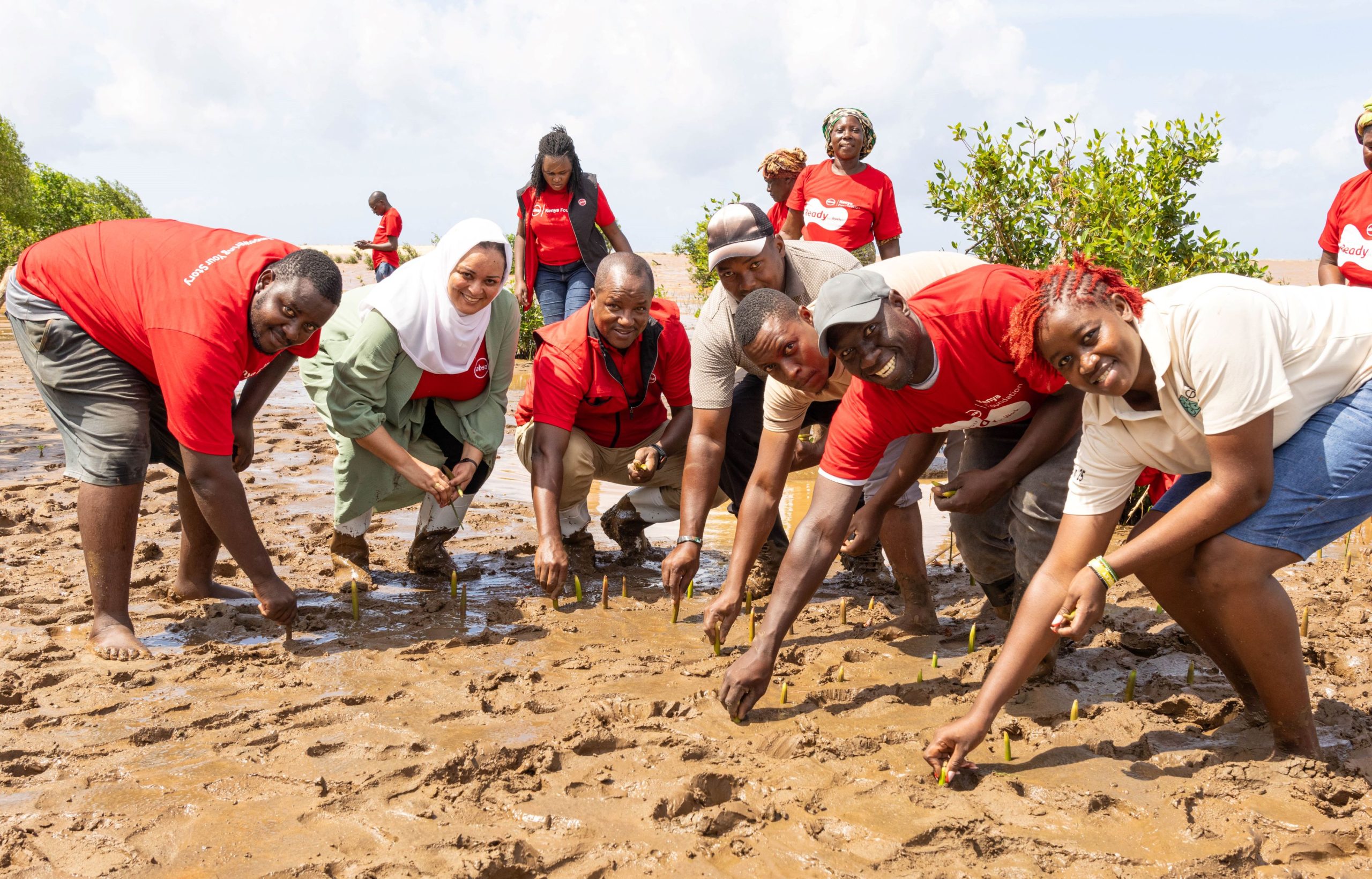
“Preserving and restoring mangroves can help create sustainable development pathways that foster economic growth while protecting our natural heritage,”
Omari added.
“Planting mangrove trees is not optional—it is essential for planetary health and the well-being of future generations.”
Beyond the coastal initiative, Absa has partnered with the Kenya Forest Service (KFS), Community Forest Associations (CFAs), and local communities to support reforestation efforts in critical catchment areas such as the Aberdare Forest, Mau Complex, and Sorget Forest in Kericho County.

